



Professional Athletes Don’t Have a Budget Problem. They Have a Cash Flow Problem.
Professional athletes earn incomes that most people can only imagine. Yet many still struggle to build lasting wealth. Contrary to popular belief, the issue is rarely one extravagant purchase or a failed investment. More often, it comes down to understanding cash flow.
A review of annual spending patterns among several professional hockey players by Cardinal Point Athlete Advisors revealed a common theme: professional athletes operate more like small businesses than traditional households. Their earnings are highly seasonal, their expenses are unique, and their financial obligations often extend far beyond their own personal lifestyles.
Summary
Professional athletes face unique cash flow challenges, including seasonal income, career-related expenses, multiple residences, and lifestyle inflation. An analysis of professional hockey player spending patterns highlights the importance of understanding cash flow throughout the year and planning for financial stability beyond an athlete’s playing career.
Key Takeaways
- Professional athletes often receive most of their income during the playing season, creating periods of uneven monthly cash flow.
- Career-related expenses, including agent fees, training, and insurance, can represent substantial annual financial commitments.
- Maintaining residences in multiple cities can make housing one of an athlete’s largest recurring expenses.
- Lifestyle inflation can create financial obligations that become difficult to maintain as athletic income declines.
- Financial support for family members and others can add up significantly over time.
- Understanding spending patterns and planning for seasonal income fluctuations can help athletes build long-term financial security.
The Reality of an Athlete’s Income
Most professional athletes receive the bulk of their earnings during the playing season. Regular salary deposits create periods of significant cash accumulation, followed by months where little or no employment income is received.
The challenge is that spending rarely slows down when the salary payments stop. In several cases, athletes continued to spend aggressively throughout the offseason, producing months of negative cash flow despite earning substantial incomes during the season. This pattern highlights one of the greatest financial risks athletes face: assuming that future contracts will always be there to replenish spending habits.
The Offseason Trap: Income Stops, Spending Continues
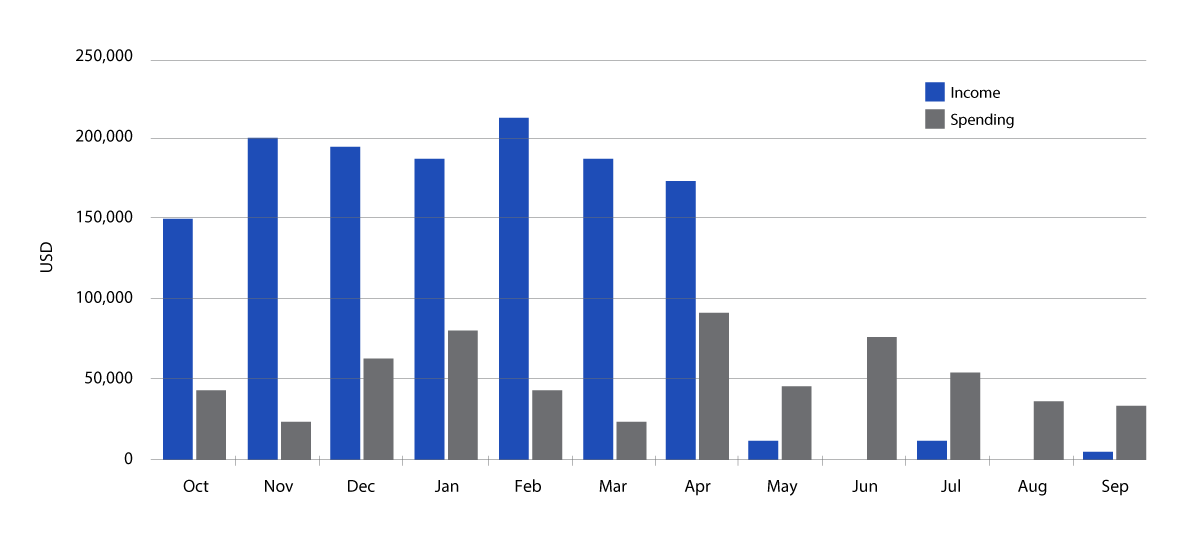
Source: Cardinal Point Athlete Advisors, analysis of professional hockey player income and spending patterns.
Key finding: Salary income drops dramatically after the season while spending remains relatively stable. This creates recurring negative cash flow months during the offseason.
The Hidden Costs of a Professional Career
Many athletes focus on their contract value, but salary is only part of the story. Professional athletes incur substantial career-related expenses including agent fees, performance coaching, training programs, disability insurance, management fees, and team-related costs.
In the files reviewed, annual employment expenses ranged from tens of thousands to more than a quarter-million dollars. Like any successful business owner, athletes must invest in their careers. The key is recognizing these expenses as part of an overall financial strategy rather than treating salary as completely available for lifestyle spending.
Housing Often Becomes the Largest Expense
A common misconception is that discretionary spending drives most financial problems. In reality, housing was one of the largest recurring expenses observed.
Unlike many families, professional athletes often fund two lifestyles in two cities. Many athletes maintain an offseason residence while simultaneously paying rent or other living expenses near their team. Mortgage payments, property taxes, insurance, utilities, maintenance, and secondary residences can create six-figure annual housing costs.
Average Spending Profile
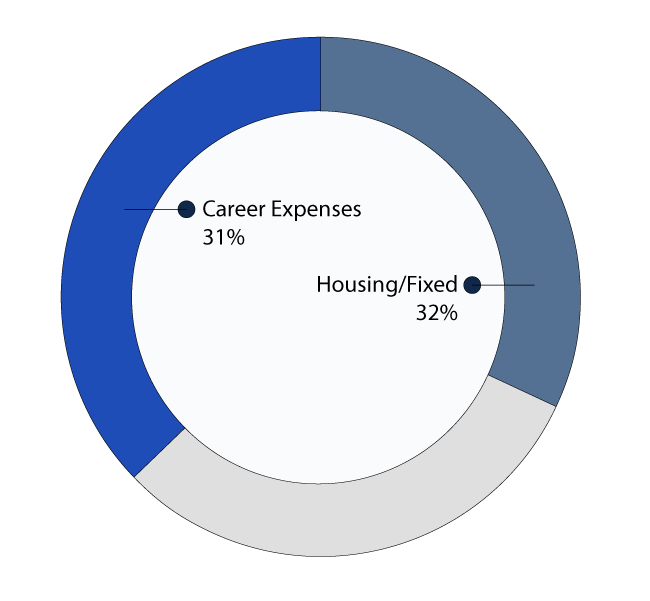
Source: Cardinal Point Athlete Advisors, analysis of professional hockey player spending patterns.
Key finding: Housing and career expenses account for approximately 63% of major spending categories analyzed, substantially exceeding shopping, travel, and dining.
Lifestyle Inflation Happens Quietly
One of the most interesting findings was how spending grows alongside income. Higher-earning athletes tended to spend significantly more on shopping, travel, entertainment, home furnishings, convenience services, and other lifestyle expenses.
Importantly, this increase was rarely the result of reckless behaviour. Instead, spending simply expanded as income increased. This phenomenon, known as lifestyle inflation, is one of the greatest threats to long-term wealth creation. A larger contract can quickly lead to bigger homes, more frequent travel, higher-end purchases, and increased expectations from those around you. The danger is not today’s spending. It is creating obligations that become difficult to support when income inevitably declines.
Key finding: While spending levels vary significantly by income, the dominant categories remain remarkably consistent: housing, career costs, travel, shopping.
Supporting Others Adds Up
Many athletes become financial providers for family members, friends, and members of their support network. Regular transfers, family assistance, concierge services, gifts, and other support-related expenses represented a meaningful portion of spending in several cases.
While these expenditures are often made with the best intentions, they can become significant over time if not managed within a broader financial plan. Athletes rarely notice these expenses because they are spread across dozens of individual transactions throughout the year. However, when aggregated, they often represent tens of thousands of dollars annually.
Wealth Is Built Through Cash Flow Discipline
The encouraging news is that every athlete reviewed generated positive annual cash flow overall. Yet the reports also revealed extended periods of negative monthly cash flow, particularly during the offseason.
This highlights an important lesson: Income creates opportunity. Cash flow management creates wealth. The athletes who build lasting financial security are not necessarily the ones with the largest contracts. They are the ones who understand where their money goes, plan for uneven income cycles, control lifestyle inflation, and maintain flexibility as their careers evolve.
The Bottom Line
Professional athletes face financial challenges that most traditional budgeting advice fails to address. The real risks are not daily coffee purchases or occasional vacations. They are:
- Seasonal income patterns
- Multiple residences
- Career-related expenses
- Lifestyle inflation
- Ongoing support for family and others
- Significant offseason spending
Managing the financial demands of a professional sports career requires many of the same disciplines as running a business. The earlier athletes develop a clear understanding of their cash flow, expenses, and long-term financial obligations, the better positioned they are to turn a successful playing career into lasting financial independence.
At Cardinal Point Athlete Advisors, we help professional athletes navigate the financial complexities of their careers, from managing seasonal income and career-related expenses to planning for life after sports. Contact our team to learn more about our approach to financial planning for athletes.


Personal Finance
